Shichiten Hakki (七転八起) — The Japanese Spirit of Rising Again

"Fall down seven times, stand up eight."
These six simple words capture the essence of Shichiten Hakki (七転八起), one of Japan's most enduring and inspiring proverbs.
For centuries, this timeless expression has encouraged people to face adversity with courage, resilience, and determination. Rather than promising a life free from hardship, Shichiten Hakki reminds us that true strength is found in our willingness to rise every time we fall.
Whether you are a martial artist, entrepreneur, student, athlete, artist, or simply navigating life's challenges, its message remains the same: failure is never final unless you stop getting back up.
Today, Shichiten Hakki is embraced around the world as a symbol of perseverance. It appears in martial arts dojos, workplaces, homes, and personal journals—not simply as a proverb, but as a philosophy for living with purpose and resilience.
In this guide, you'll discover the meaning, history, cultural significance, and lasting influence of one of Japan's most treasured expressions.
What Does Shichiten Hakki Mean?
Shichiten Hakki (七転八起) literally translates as "Fall down seven times, stand up eight." It is one of Japan's best-known proverbs, expressing the belief that no matter how many times we fail, we should always find the strength to rise again.
The phrase is written with four Japanese characters:
- 七 (Shichi) – Seven
- 転 (Ten) – To fall, stumble, or tumble
- 八 (Hachi) – Eight
- 起 (Ki) – To rise or stand up
The numbers should not be interpreted literally. They symbolize the endless cycle of challenge and recovery that everyone experiences throughout life. The message is simple yet profound: true failure is not falling down—it is refusing to stand back up.
Unlike many motivational slogans that focus only on success, Shichiten Hakki accepts setbacks as a natural part of personal growth. Every mistake, disappointment, or obstacle becomes another opportunity to learn, improve, and move forward.
The Origin of Shichiten Hakki
Although Shichiten Hakki is widely recognized as a Japanese proverb, its philosophical roots are closely connected to Buddhist thought that spread throughout East Asia centuries ago.
Buddhism teaches that suffering is an unavoidable part of life. Everyone experiences illness, disappointment, failure, aging, and loss. Rather than trying to escape these realities, Buddhist philosophy encourages us to accept them with wisdom, learn from them, and continue moving forward.
Shichiten Hakki beautifully reflects this way of thinking. It does not promise a life without hardship or guarantee success. Instead, it teaches that every setback contains the possibility of a new beginning.
Over generations, this philosophy became deeply woven into Japanese culture. It influenced education, craftsmanship, martial arts, business, and everyday life, eventually becoming one of Japan's most beloved expressions of perseverance.
Why Is Shichiten Hakki Still Relevant Today?
Although the proverb originated centuries ago, its message feels remarkably modern.
Today's world often celebrates instant success. Social media highlights achievements while hiding the years of struggle behind them. Careers, businesses, and personal goals are frequently judged by immediate results.
Shichiten Hakki offers a different perspective.
It reminds us that meaningful growth rarely happens without setbacks. Success is usually built through repeated failures, small improvements, and the determination to continue when progress feels slow.
This is why the proverb continues to resonate with people around the world. Its wisdom applies just as naturally to a student preparing for an exam as it does to an entrepreneur launching a company, an athlete recovering from defeat, or an artist refining a craft.
Shichiten Hakki in Japanese Culture
Perseverance has always been admired in Japanese culture.
Traditional craftsmen often spend decades mastering a single skill. Tea masters refine simple movements throughout their lives. Garden designers patiently shape landscapes that may take generations to reach their full beauty.
The emphasis is not on achieving perfection overnight but on making steady progress through continuous effort.
Shichiten Hakki reflects this cultural mindset. It celebrates patience over impatience, resilience over comfort, and dedication over talent alone.
For this reason, the proverb is commonly displayed in schools, companies, sports clubs, and martial arts dojos across Japan. It quietly reminds people that lasting achievement is built one step at a time.
Shichiten Hakki and Japanese Martial Arts
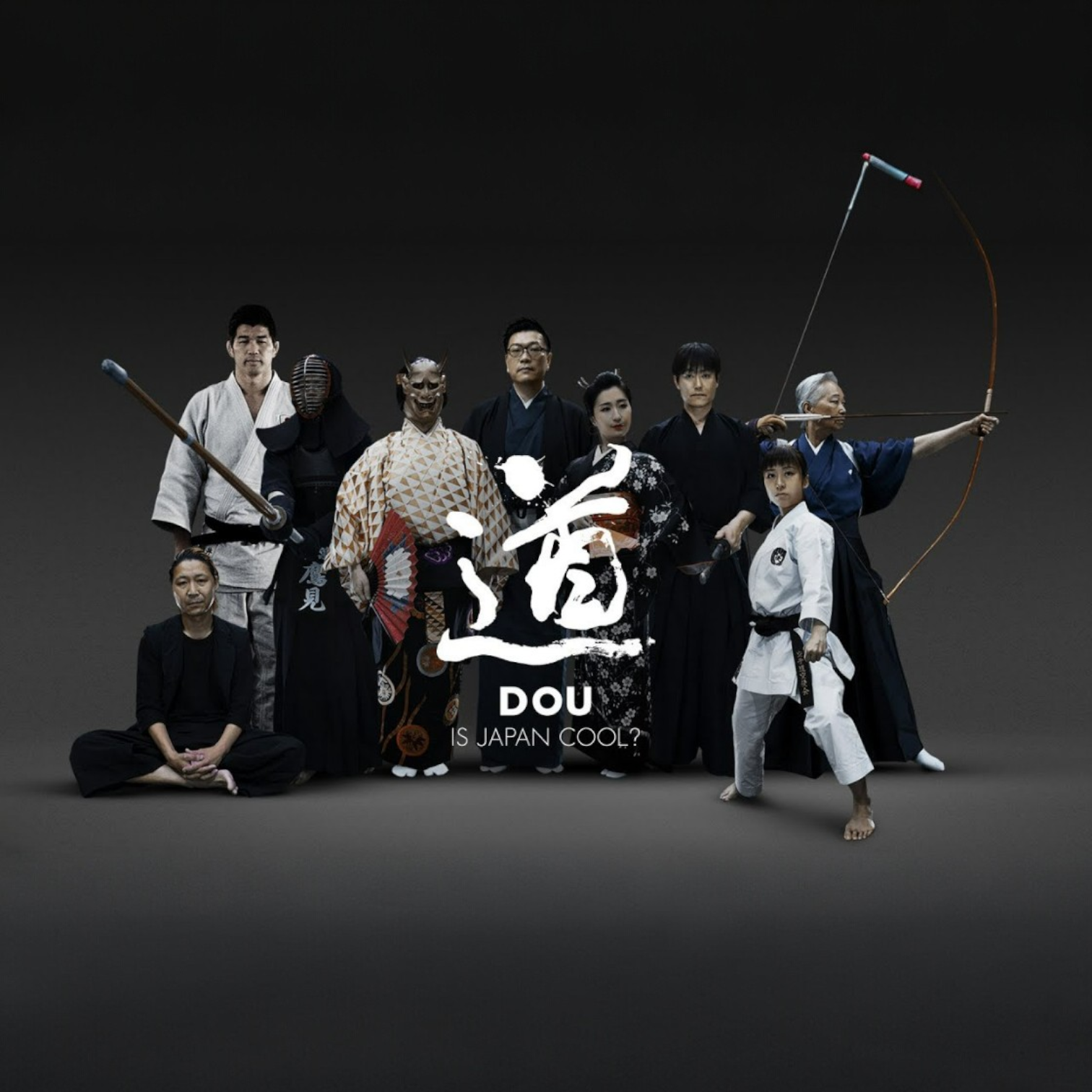
Few philosophies capture the spirit of Japanese martial arts as naturally as Shichiten Hakki.
In Judo, every practitioner is thrown countless times before mastering a technique. Learning how to fall safely through ukemi is one of the first lessons, teaching that falling is not failure—it is part of learning.
In Karate, students repeat the same kata thousands of times, gradually refining posture, timing, balance, and control. Progress comes through consistency rather than shortcuts.
In Aikido, practitioners seek victory over themselves rather than over an opponent. Each training session becomes another opportunity to improve character, patience, and awareness.
Traditional arts such as Kendo, Iaido, and Kyudo share the same philosophy. Mastery is not measured by natural talent alone but by the willingness to continue practicing despite frustration and failure.
Although every martial art follows its own path, they all recognize the same truth: perseverance is stronger than perfection.
Why the Proverb Inspires People Beyond Martial Arts
The power of Shichiten Hakki extends far beyond the dojo.
Entrepreneurs often embrace the proverb because building a successful business inevitably involves mistakes, uncertainty, and setbacks. Athletes understand that championships are won only after countless defeats and years of disciplined training. Students, musicians, artists, healthcare professionals, teachers, and parents all experience moments when persistence matters more than immediate success.
The proverb belongs to anyone who has faced adversity and chosen to continue.
That universal message explains why Shichiten Hakki has become one of Japan's most widely recognized expressions around the world. It speaks not to a particular profession or culture, but to the shared human experience of overcoming challenges with courage and determination.
Bring the Spirit of Shichiten Hakki into Your Daily Life
For centuries, the Japanese have preserved meaningful words through Kakemono, traditional hanging scrolls that serve as daily reminders of the values we aspire to live by.
At Interior Calligraphy, we have expressed the spirit of Shichiten Hakki through this timeless art form. Handcrafted in Japan by professional calligraphers and traditional artisans, each Kakemono is created to inspire resilience, courage, and perseverance.
As we often say:
A Kakemono is your Silent Teacher.
Its message never changes, but each day it reminds us to rise once more than we fall.
← Back to Feature Articles